
The logistics sector is undergoing a remarkable transformation, largely driven by technological advancements that promise to redefine how supply chains operate. From automation and artificial intelligence (AI) to sustainable logistics and cold chain monitoring, the future of logistics technology holds incredible potential for businesses and consumers alike.
But as these innovations continue to evolve, companies must stay cognisant of both the benefits and challenges they bring. Keep your mind open as we explore the trajectory of logistics technology and the trends shaping the industry, alongside the potential impact on the environment, supply chain efficiency, and beyond.
The rise of digital logistics technology in the supply chain
Data-driven, digital technology has become an integral part of modern supply chain management. The widespread adoption of such supply chain technology has opened the doors to enhanced efficiency, increasingly streamlined operations and improved customer satisfaction. By automating routine tasks, leveraging data analytics, and introducing cutting-edge solutions like new-fangled package tracking and robotics, distributors of all shapes and sizes can ensure quicker and more accurate deliveries all while reducing their operational costs.
As companies are continuously focused on sustainability, digital innovation is also playing a pivotal role in transforming the environmental footprint of the sector – a footprint standing at 26% of the UK’s total emissions in 2022. For example, at Dennis Distribution, we are already adopting sustainable practices to align with national standards and that will help us work towards carbon neutrality. Our goal is to reduce emissions by more than 3% per year until 2030.
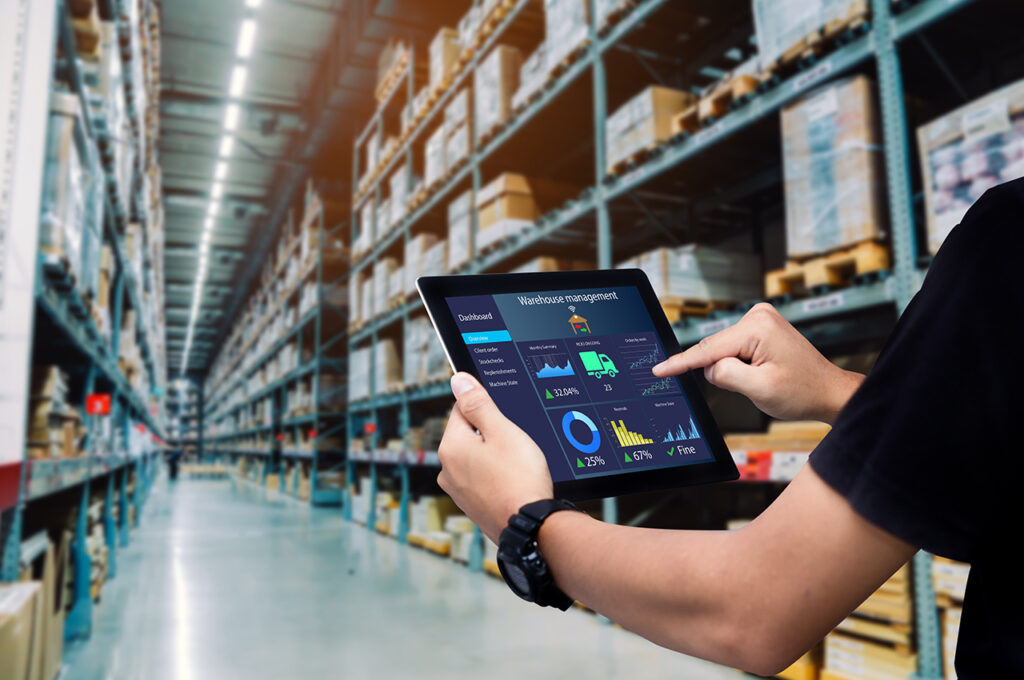
5 current trends in logistics technology to take note of
Several emerging technologies are reshaping logistics, driving efficiency and innovation across the sector. If you have had your ear to the ground, you may have noticed the ripple effect these transformations have made.
1. Automation and robotics in warehouses
One of the most significant advancements in logistics technology is the introduction of automation and robotics. While this kind of mechanisation has been around for a long time (case and point, Henry Ford’s industrial revolution), we are always seeing engineering develop in leaps and bounds. Enter artificial intelligence, and this spike in improvements has mushroomed almost exponentially.
Automated warehouses powered by AI and machine learning enable businesses to manage inventory more effectively, reduce human error and increase overall speed, which means happier customers and inflated profits. This shift has transformed the role of warehouses, making them far more efficient and adaptable to evolving supply chain demands.
2. Advanced data processing and analytics
In an increasingly data-driven world, logistics companies are tapping into advanced data processing and analytics to optimise every stage of the supply chain. From real-time tracking to predictive analytics, businesses can now gather and process vast amounts of information.
Tapping into this data allows them to streamline operations, reduce wastage and improve decision-making overall – this latter benefit being incredibly important in such a touch-and-go environment. It’s easy to see how this has led to smarter supply chains, which are more responsive and, thus, capable of handling fluctuations in demand.
3. Cloud logistics
The rise of cloud logistics is another important trend catalysing change in the distribution space. By using cloud-based platforms, transport providers can manage and monitor supply chains in real-time, regardless of location or their complexity. A result of this is improved visibility, collaboration and communication at every touch point in the product journey. Cloud logistics also offers scalability, allowing companies to easily adapt to changing needs without the need for significant infrastructure investments.
4. AI and machine learning in distribution
AI is increasingly becoming a game-changer in logistics as it seems to be doing everywhere else. The key draw is that artificial intelligence can analyse vast amounts of data in real-time that far exceeds traditional technology. Here, you can optimise delivery routes, predict demand and identify inefficiencies without difficulty. And, significantly, machine learning algorithms can forecast delays based on historical data, enabling companies to proactively mitigate disruptions.
5. Pioneering specialised vehicles
One of the most notable trends in logistics technology is the development of specialised vehicles designed to transport temperature-sensitive goods, such as pharmaceuticals, perishable food and cosmetics. These vehicles are equipped with advanced temperature monitoring capabilities, ensuring that products are transported under the correct conditions throughout the supply chain.
At Dennis Distribution, we are at the forefront of temperature-controlled logistics technology, investing in state-of-the-art vehicles that offer real-time monitoring of environmental conditions from humidity to heat. To give you an example, we transport products like strawberries, ensuring they are kept at the optimal temperature during transit to maintain their freshness and quality.
As part of our commitment to high-quality, specialised logistics, we also manage temperature-controlled transport for products like meat, maintaining strict hygiene standards to preserve the integrity of these goods and ensure compliance with the food safety standards enforced in the UK. We talk about the specifics of the vehicles used to transport meat in our dedicated guide, so if you are still curious, it’s worth taking a look at.
The impact of supply chain technology on the environment
While the benefits of distribution technology are vast, the environmental impact of these innovations must not be overlooked. Many believe that AI holds great promise in helping to address some of the world’s most pressing environmental, social and technological challenges. For instance, there are many medical and, indeed, ecological applications. AI is already being used to map the destructive dredging of sand and chart methane emissions, a potent greenhouse gas.
However, as the technology continues to expand, so do the significant concerns about its environmental footprint. A growing body of research highlights the negative side of AI’s explosion. Data centres, where AI servers are housed, consume enormous amounts of electricity, and these facilities also generate substantial electronic waste, use vast amounts of water and rely on critical minerals and rare elements that are often mined unethically.
In the logistics sector, this means companies must remain vigilant, ensuring that the technologies they adopt support both operational efficiency and environmental sustainability. For further insights into the environmental impact of logistics, we recommend exploring our article on carbon-neutral logistics.
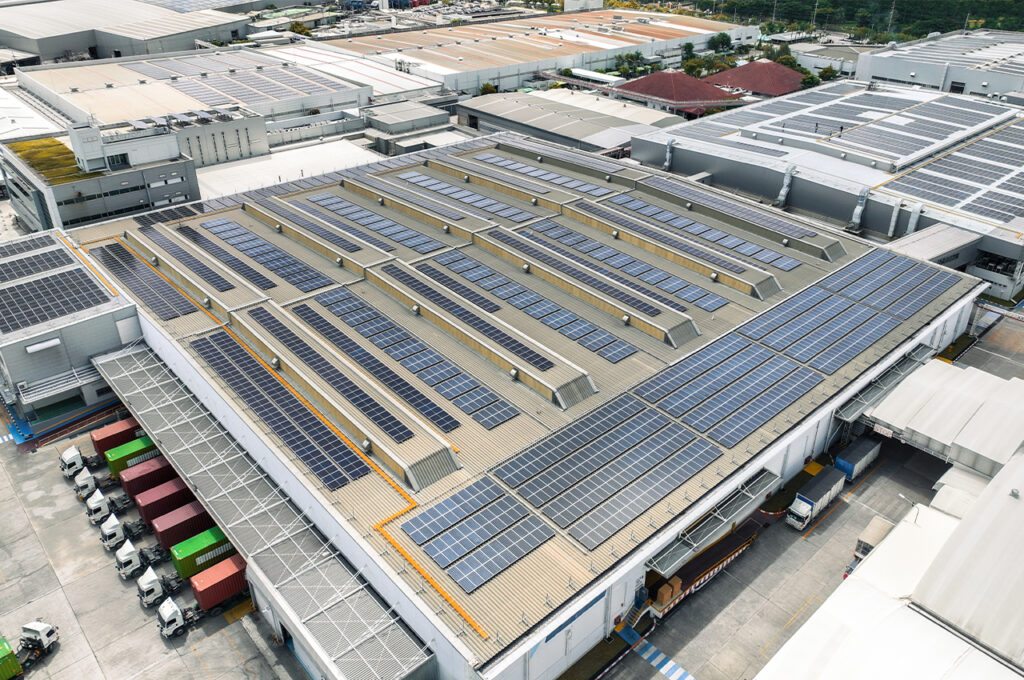
The role of third-party (3PL) and contract logistics providers in supply chain technology
In this era of rapid technological advancement, both third-party logistics (3PL) and contract logistics providers play a key role in helping businesses navigate the complexities of modern supply chains. These providers are equipped with the resources, expertise, and cutting-edge logistics tech, including all the trends we mentioned earlier, to enhance efficiency and streamline operations. This allows businesses to leverage specialised knowledge without investing heavily in infrastructure.
A well-established 3PL provider optimises operational efficiency, improves inventory management with the technology tied up in it, all critical for maintaining a competitive edge. With access to such benefits, it’s much easier to scale your operations and adapt to fluctuating demand, reducing the burden of managing logistics internally.
Contract logistics, on the other hand, offers a deeper level of specialisation, focusing on long-term partnerships that are tailored to a business’s unique supply chain needs. Rather than providing one-size-fits-all solutions, contract logistics focuses on developing a thorough understanding of the client’s operations, enabling highly specialised and data-driven strategies and powerful adaptability.
Looking ahead: A summary of the challenges and opportunities
The future of supply chain tech is brimming with both challenges and opportunities. As innovations like AI, robotics, and data analytics continue to shape the industry, businesses are presented with unprecedented potential for optimising supply chains, but with great power comes responsibility.
Key opportunities and challenges include:
- Enhanced supply chain optimisation: The integration of AI, robotics, and data analytics offers significant opportunities for streamlining operations, improving delivery speed and enhancing accuracy.
- Sustainability integration: To minimise the environmental impact of increased energy use and resource consumption, logistics companies must focus on implementing sustainable practices, such as reducing waste, adopting renewable energy and striving for carbon-neutral strategies.
- Skilled workforce demands: As technology evolves, the need for skilled professionals who can manage and optimise these new tools will continue to grow. Investing in talent will be essential for staying ahead in a rapidly changing landscape.
- Balancing innovation with environmental responsibility: As companies innovate, they must also be mindful of their environmental footprint, ensuring that technological growth doesn’t come at the cost of the planet.
As digital technologies converge with sustainability goals and evolving customer expectations, the logistics sector is set to play a pivotal role in shaping the future of global supply chains – truly an exciting prospect! The only question now is: will you take the step towards outsourcing your distribution to harness the full potential of the latest logistics technology?