
If you work in the food industry or in an adjacent sector, such as wholesaling and distribution, it is practically impossible not to stumble across HACCP. This acronym refers to a robust food hygiene and safety framework used by businesses that deal with food and any other consumable goods. But what does HACCP stand for?
In short, Hazard Analysis Critical Control Point – a mouthful for certain, but a keystone to any respectable organisation that deals with food, from factories and food stalls to logistics hubs and distributors. If this encompasses your business, then it’s imperative that you get to grips with this essential international standard.
Not only is HACCP endorsed by the World Health Organisation (WHO), but it will keep your day-to-day activities compliant with UK food safety standards, ensure the integrity of your goods and protect your reputation among clients and consumers. This guide will provide you with all the details to secure exactly those things. Now, let’s proceed.
Skip to:
- Key Takeaways
- What Does HACCP Stand For?
- HACCP in Food Transport: What It Means for You
- The 7 Principles of HACCP
- How Dennis Supports Compliance in Transport
- Conclusion: Why a Solid HACCP System is Non-Negotiable
Key Takeaways
- HACCP stands for Hazard Analysis Control Points.
- It’s a framework designed to prevent contamination and foodborne disease.
- It is underpinned by 7 principles, which are used to organise and establish a food safety plan.
- HACCP is imperative for any business operation involving food or consumables like pharmaceuticals, including outsourced distribution and logistics.
What Does HACCP Stand For?
Applicable to all types of businesses involved in food production and transportation, HACCP is an acronym for Hazard Analysis Critical Control Points. It is both a risk management methodology and a preventative food hygiene strategy, designed to reduce and mitigate foodborne illness.
Created by the Codex Alimentarius Commission – jointly established by the Food and Agriculture Organization (FAO) and the World Health Organization (WHO) – not only does the framework play a major role in public health, but it is globally recognised and enshrined in UK law via EU Regulation 852/2004. In fact, if you do some digging, you will find that under many international food safety laws it is a prerequisite to compliance.
What is the Purpose of HACCP?
Within the UK, if you run a food business or otherwise handle food products somewhere along the supply chain, you must implement a food safety plan based on the HACCP principles under law.
The HACCP framework is designed to prevent food from becoming contaminated by biological, chemical and physical food safety hazards, and each principle maps out a step of the food hygiene plan to mitigate those. HACCP plans cover all consumable products, including meat, dairy and fresh-grown produce. It also touches all elements of the food industry to ensure food safety during transportation, production and everything in between.
Demystifying the Terminology
It’s all well and good spelling out the acronym, but if you don’t have a handle on what constitutes a hazard or critical control point, it’s going to be difficult to implement any meaningful changes to your operations. As such, allow us to explain the jargon.
Hazard
By a hazard, HACCP refers to something that is harmful or dangerous to the end-consumer. Food hazards have the potential to make edible produce unfit for consumption. These fall under three categories:
- Microbiological – contact with harmful bacteria
- Chemical – contact with chemical contaminants
- Physical – contact with objects it should not touch
Critical Control Point
Critical control points simply mean the steps in a food processing, production or storage process where an essential control measure can be applied to mitigate the hazards we explained above. Examples of critical control points could be:
- Heating, reheating or cooking
- Cooling
- Storing
- Packaging
- Product testing
- Cleaning standards, hygiene and maintenance
HACCP in Food Transport: What It Means for You
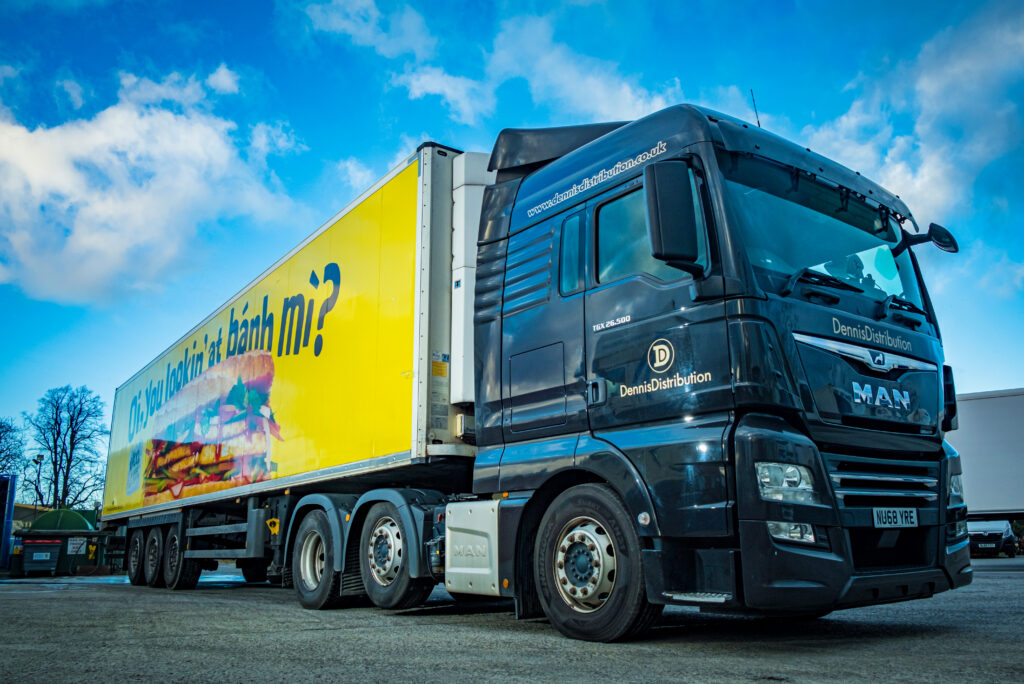
According to DEFRA, food transportation accounts for 25% of all miles covered by heavy goods traffic in the UK – that’s thousands of miles for hazards to crop up and plenty of variables to contend with across journeys. As such, distributors require stringent safety measures, each underpinned by a detailed HACCP-informed food safety plan.
Now, if you are currently outsourcing your distribution via a 3PL or contract logistics provider, this doesn’t mean you’re off the hook – if things go awry in the supply chain, you may be liable for the harm that comes to the end consumer, which could mean reputational damage and legal ramifications for your business.
Thus, distributor management must also include checking in with your transport partners to confirm that you are aligned on goals, values and best practices. Here, setting KPIs and asking for health and safety records are recommended.
HACCP Implementation allows businesses to:
- Reduce product waste and product recall
- Maintain high standards of food safety and product quality
- Improve relationships with food safety authorities and suppliers
- Demonstrate your commitment to due process
- Communicate clearly and effectively to your teams and stakeholders in a standardised way
- Instil confidence in consumers
- Strive for continual improvement
- Enhance the efficiency of your operations and supply chain resilience
The 7 Principles of HACCP
The majority of food hazard management frameworks are built upon the 7 principles of HACCP, which take you step-by-step through the process of identifying and robustly dealing with hazards when producing, handling and shipping food.
To put these HACCP principles into context, we’ve included an example based on a real-life case study, our years-long partnership with Meadow Foods.
1. Conduct a Hazard Analysis
The first principle, or step, of HACCP is to conduct a hazard analysis. This entails identifying potential biological, chemical and physical hazards in the food production process and determining the appropriate control measures for each. The more comprehensive you are here, the safer, more prepared and efficient your operations are in the long haul.
Example:
Working with Meadow Foods, Dennis Distribution identified key hazards during bulk dairy transport, such as bacterial contamination due to improper tank hygiene and spoilage from temperature fluctuations. Tailored risk assessments were created for these niche product shipments (condensed milk and AMF) to pre-empt these risks and inform control strategies.
2. Identify Critical Control Points (CCP)
Next, food businesses must pinpoint the specific steps in the process where hazards can be prevented, eliminated, or reduced to an acceptable level – or, in other words, the CCPs.
Example:
We identified critical control points at the loading dock, during transit in specialist food-grade tankers, and at delivery. Our team recognised them as pivotal to preserving the quality and safety of Meadow’s products, particularly where tank sterilisation and temperature control were involved.
3. Establish Critical Limits
Critical limits refer to the maximum or minimum value for a control measure at each critical control point. Think of it as setting conditions for those CCPs or parameters to ensure success.
Example:
We set strict temperature ranges for the transport of the specialist dairy products, ensuring ambient and chilled conditions stayed within HACCP‑approved parameters.
4. Employ Monitoring Procedures
The fourth step is to put a system in place to monitor and regularly check that each CCP is under control and within those all-important critical limits. This ensures due diligence, transparency and accountability, allowing teams to continuously improve and pivot their procedures as required.
Example:
Constant temperature monitoring is employed throughout each journey using specialist tankers equipped with tracking tech. All transit data is reviewed against critical limits to ensure no compromise in product safety or quality.
5. Establish Corrective Action
Corrective actions are predetermined steps your organisation can take when monitoring processes show deviation from your critical limits. These measures help to regain control of the given CCP and prevent unsafe food from reaching consumers.
Example:
If a temperature anomaly is detected during transport, we jump to immediate corrective action, such as a temperature change. This responsiveness ensured Meadow’s product quality was never at risk.
6. Instil Verification Procedures
Verification processes are there to ensure that the food safety framework is running smoothly and as planned. This chiefly involves internal audits, validation and verification activities, such as testing product samples, analysing calibrated data from measuring devices and reviewing records.
Example:
Regular internal reviews of our tanker hygiene, delivery punctuality and tracking systems are used to confirm ongoing efficacy, while accreditations, including BRCGS and DTAS, help us keep up to date with UK and global food transport standards.
7. Develop Record-Keeping Procedures
Documentation and record-keeping are fundamental aspects of HACCP. This must include data from monitoring, the results of corrective action and details of the systems your organisation employs.
Essentially, this final principle demonstrates that HACCP has been correctly applied according to the law, and that you have evidence of your due diligence in the event of legal action. And, above all, it is simply good practice.
Example:
We captured and stored comprehensive delivery data for Meadow Foods, including tanker logs, temperature records, and service performance KPIs – all contributing to a >99.5% on-time delivery rate.

How Dennis Supports Compliance in Transport: Our First-Hand Experience with HACCP
To newcomers, HACCP may seem like a daunting prospect; there are numerous steps and legal compliance requirements to contend with. However, in reality, it’s a lot less complicated – particularly if you bake the method into your daily practices. In our experience, HACCP looks like routine: we take the time to evaluate the risks associated with each client, such as product spoilage and foodborne pathogens, and then pinpoint the relevant CCPs, usually refrigeration or freezing, on-loading and off-loading.
As Katie Dennis, our Senior Partner, explains: “We provide specialist care through strict adherence to HACCP principles, ensuring all our food products are transported under tightly controlled and monitored conditions to maintain safety and quality, which is proven by our exemplary record.”
We approach each project with care, ensuring that we remain within critical limits – think strict product temperature ranges for frozen and ambient goods – and that we continuously monitor procedures throughout journeys and in between them. The data we collect throughout the route planning and temperature monitoring processes is constantly revisited as we hone our practice.
For further reading on the topic, dip your toes into our temperature-controlled logistics and logistics technology guides – they go into much more detail than we have time for here.
Conclusion: Why a Solid HACCP System is Non-Negotiable
Now you know what HACCP stands for – Hazard Analysis Critical Control Points – you should be better placed to conduct food safety risk assessments throughout your operations.
Remember, HACCP implementation is mandatory in the UK and EU, and must therefore be your bare minimum. However, by seriously investing in this preventative methodology, businesses can reap long-term tangible rewards. HACCP certification, for instance, demonstrates a commitment to high standards, continual learning, consumer safety and satisfaction, all of which are core tenets of a successful organisation and resilient supply chain management.
If you’re interested in reflecting these values in your own business, we recommend reading up on the official WHO guidance or continuing your learning here on the Dennis Distribution blog. Alternatively, get in touch with our logistics managers to hear more about how we instil HACCP in all that we do.