
What is cold chain logistics? Cold chain logistics – also known as cold chain distribution – is the process of transporting perishable or sensitive goods while maintaining appropriate temperatures. The UK cold chain logistics industry is a cornerstone to many aspects of life from medicine to retail, and is projected to reach a market value of £17 billion by 2026.
Temperatures in cold chain transport range from slightly chilled all the way through to deep freeze. Companies dealing with chilled or frozen goods haulage heavily rely on the cold chain to safeguard their products’ integrity until they reach the end consumer.
Why are cold chain logistics important?
Appropriate temperature controlled logistics are critical when handling sensitive goods, such as foods, liquid consumables like edible fats, and pharmaceuticals. Failure to keep goods fresh could lead to wastage and lost revenue in the best case – and customer illness or legal action in the worst.
Cold chain monitoring emerges as a crucial safeguard in this context. At every step of the distribution process, monitoring the temperatures of your goods means you know the moment there is an issue. Even the slightest deviation from the correct temperatures can result in compromised merchandise.
This proactive approach not only mitigates the risk of spoiled cargo but also ensures compliance with frozen food regulations and broader food safety legislation. Moreover, advancements in temperature monitoring technologies offer opportunities for enhanced efficiency, allowing for real-time data tracking and rapid response to potential issues, thereby bolstering the integrity of the cold chain process.
What does cold chain logistics encompass?
If a cold chain is the supply chain that handles perishable, temperature-sensitive products, then what does it encompass?
As one might expect, many moving parts make up the intricate cold chain logistics system. These key elements include:
- Temperature-Controlled Storage Facilities: Cool cargo is stored in efficient warehousing or distribution hubs whilst awaiting transportation, ensuring they remain at optimal temperatures.
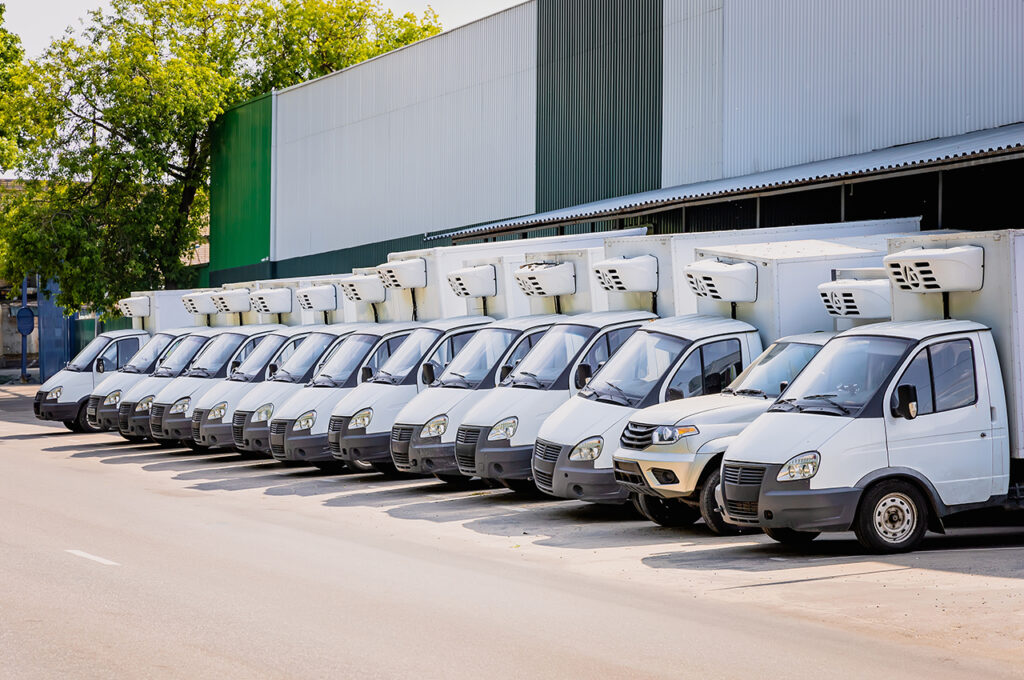
- Refrigerated Transport: Dedicated vehicles, such as refrigerated trucks, food grade tankers and containers guarantee goods are transported under stable temperature and humidity conditions, safeguarding their quality and integrity.
- Cold Processing: Specialised facilities are equipped to process perishable goods while maintaining stringent sanitation standards, ensuring product safety and quality.
- Temperature Monitoring and Control Systems: Sophisticated sensors and monitoring devices are installed throughout the supply chain to continuously track the temperature of the products and ensure they remain within the specified range.
- Dedicated Packaging: Insulated packaging materials, such as thermal blankets, insulated containers, and refrigerated packaging, are used to protect products from temperature fluctuations during transportation.
- Cold Chain Logistics Management: Efficient coordination and management of the cold chain logistics process are essential to ensure timely delivery and minimise the risk of temperature excursions. This involves scheduling, routing, and optimising travel routes to minimise transit time and maintain product quality.
- Cold Distribution: The logistical aspect responsible for efficiently loading and distributing goods, often involving the careful arrangement of boxes, crates, and pallets to optimise transportation.

Which products need cold chain transport?
A multitude of industries require cold chain transport to ensure their goods arrive safely, minimising waste and financial loss. Here are several use cases.
Food
Frozen and perishable foods must be kept at safe temperatures throughout the logistics process. Under UK law, they are both subject to Regulation (EC) 852/2004 and The Food Safety and Hygiene (England) Regulations 2013. These state that perishable foods must be stored below 8°C to prevent “harmful microorganisms”, which could cause severe illness if ingested, from multiplying.
Liquids
Liquid foods, such as milk, must be appropriately transported in food grade tankers, keeping cargo in optimum conditions. Liquid foods are especially vulnerable to temperature fluctuations, potentially leading to spoiling and illness.
Deep freeze items
Some items, such as frozen meats and fish or ice cream, must be kept at deep freeze temperatures, often around -25°C. Food safety during transportation is critical with items of this nature, as any thawing could allow bacteria to form.
Pharmaceuticals
Equally as critical as food safety is the safety of medicines in transport. Many medicines must be kept in chilled conditions, while none can exceed recommended maximum safe temperatures. The risk is highest with many vaccines, antibiotics and blood products, which must be kept at very low temperatures constantly to avoid waste.
The challenges of cold supply chain management
Cold chain logistics faces constant challenges. Consumers demand ever-fresher products, while suppliers require tighter delivery deadlines with increasing pressure from the general supply chain.
On top of this, the imperative to adhere to sustainable distribution practices is stronger than ever, commanding transport partners ‘get with the times’ and reform their strategy. These strict expectations paired with external factors, be they geopolitical events or environmental issues, mean that distributors must remain robust, flexible and quick on their feet to anticipate challenges.
Overcoming the hurdles of cold chain logistics
While the challenges of cold supply chain management outlined above may sound difficult to overcome, there are solutions. Here are just a few strategies that leading distributors may implement in response.
Training personnel
In navigating the complexities of cold chain logistics, one of the foremost challenges lies in ensuring that personnel involved in the process are adequately trained and equipped to handle temperature-sensitive goods.
Comprehensive training programs play a pivotal role in instilling an understanding of the critical importance of temperature control and adherence to handling protocols. By fostering a culture of diligence and continuous education among staff members, companies can significantly mitigate the risk of errors or oversights that could compromise product integrity.
Risk management and contingency planning
Another significant aspect of cold chain logistics is managing risks and preparing for unforeseen events that could disrupt the supply chain. Robust risk management strategies are essential for identifying potential hazards and vulnerabilities, while contingency plans serve as a proactive approach to addressing disruptions.
Whether it’s implementing backup systems for equipment failures or establishing alternative transportation routes to circumvent logistical challenges, proactive planning is key to maintaining the continuity of operations and safeguarding product quality.
Ensuring regulatory compliance
The landscape of regulatory compliance adds another layer of complexity to cold chain logistics. With stringent regulations governing various aspects of the process – from transport accreditation to pharmaceutical guidelines – companies must remain vigilant in ensuring compliance at every step.
This involves staying updated on evolving legal requirements, implementing rigorous compliance measures such as HACCP, and engaging with regulatory authorities to address any emerging issues or concerns. This way, businesses can uphold the highest standards of safety and quality assurance.
Prioritising traceability and documentation
The need for comprehensive traceability and documentation cannot be overstated in cold chain logistics, and it forms the basis of the aforementioned HACCP standard. Advanced traceability systems and technology solutions play a crucial role in tracking the movement of products throughout the supply chain, while accurate documentation of temperature conditions and handling procedures provides a transparent record of compliance with regulatory standards.
Investing in cutting-edge technology
One of the most exciting trends of 2024 involves the use of artificial intelligence (AI) in cold chain logistics. Used to optimise processes, enhance predictive analytics, and automate decision-making, this tech can revolutionise the efficiency and reliability of temperature-controlled supply chains. Besides this, the industry is making strides in monitoring devices, utilising Bluetooth, GPS and more.
Outsourcing the cold chain to a distribution partner
By leveraging technology and data analysis, successful cold chain logistics is possible with an experienced distribution partner. While it may initially feel unnatural to relinquish the reigns of your supply chain management, outsourcing your distribution brings a wealth of benefits from scaling your operations with advanced technology to the insights of a team of transport experts.
Get your goods there safely
Now you know exactly what cold chain logistics is and the challenges involved in the process, making an informed decision about your business operations will be easier than ever.
Cold chain logistics has never been more vital to make sure goods arrive at their destination safely. If the proper storage is not provided during transport, companies run the risk of facing wastage, fines, damage to their reputation, and potentially more severe consequences.
Get in touch with Dennis Distribution today to see how we can assist you in getting your cold cargo safely to its destination.