
“What temperature should frozen food be delivered at?” is a central question for any professional dealing with cold perishable foodstuffs, be you a retailer, manufacturer or supplier. Temperature control and monitoring should be at the forefront of your operations to see that quality control, food safety and regulatory compliance are upheld throughout the supply chain from factory to consumer.
Not only is precision a requisite for a law-abiding and successful business, but it also provides the two-pronged benefit of long-lasting, quality products and energy efficiency. We’ll dig deeper into these aspects of thermal regulation further on in this article, but first, allow us to lay the groundwork by explaining the significance of temperature in frozen food haulage.
The importance of temperature in frozen food distribution
Prior to discussing the exact temperature frozen food should be delivered at, it’s a good idea to impart some contextual knowledge. After all, these insights will inform the processes we’ll explain later.
First and foremost, you can never overstate the importance of robust and accurate temperature monitoring when it comes to any consumable product. This covers everything from mass-market food produce for supermarkets and wholesale ingredients like edible oils to pharmaceuticals such as over-the-counter drugs.
At best, the failure to maintain the correct temperature consistently can cause wastage; at worst, it could lead to consumer harm, which may well translate into lengthy and expensive court proceedings in the product liability arena.
With frozen food regulations and The Quick Frozen Foodstuffs legislation of 2007 in particular, there is a legal mandate for such accuracy as well as a precedent for transparency, care and consideration across all operations. Not only is the UK frozen food market flourishing at an estimated 7.21bn GBP, but as consumers expect higher value products and a greater emphasis on sustainable distribution practices, it’s more crucial than ever to take the appropriate steps. Do so effectively and you may benefit from the following:
- Enhanced food quality, including the retention of nutritional value, flavour, texture and appearance.
- Extended shelf life, due to the reduction of spoilage and freezer burn.
- Consumer safety as the risk of bacterial growth is reduced.
- A brand reputation of product consistency, quality and reliability.
- Market competitiveness in that your high-level performance can differentiate your business from competitors.
- Energy efficiency thanks to the implementation of optimised cold chain monitoring systems.
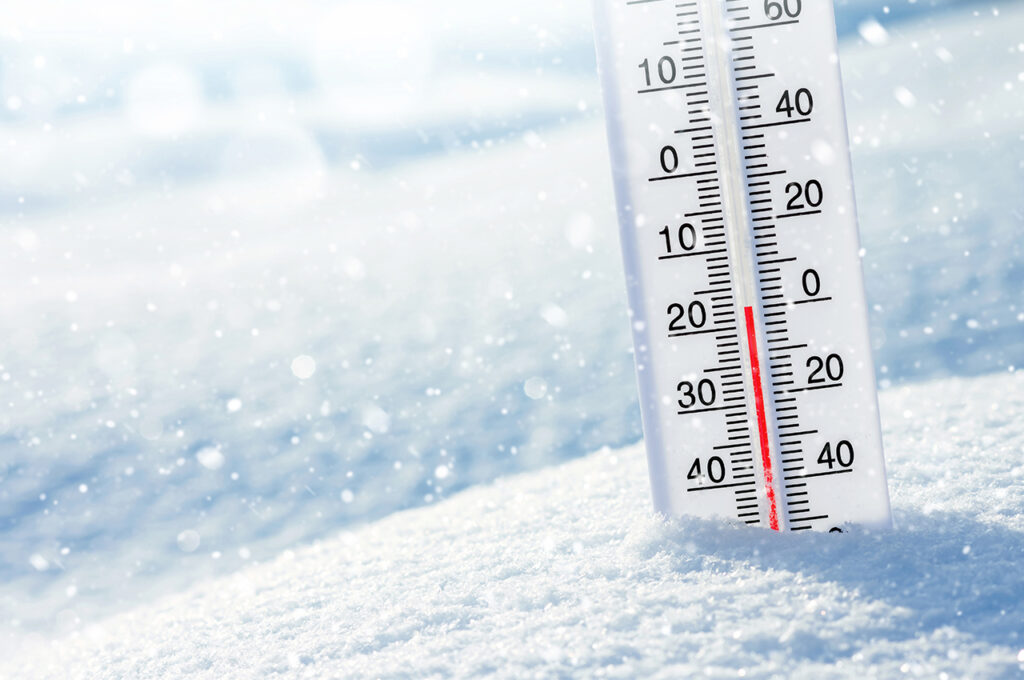
What temperature should frozen food be delivered at?
As a rule of thumb, bacterial growth begins to slow down when temperatures fall below +5 °C; however, frozen foodstuffs require much lower temperatures in order to keep food safe during transportation for longer periods. Typically, these foods will fall under 2 main categories:
- Quick Frozen Food
- Other frozen foods
The former covers edible products that are governed by the Quick Frozen Foodstuffs Regulations 2007, and have undergone a rapid freezing process typically under 2 hours. Quick Frozen Food must be kept at a consistent temperature of -18 °C or colder as per the legislation.
Other frozen food doesn’t fall under this specific regulation as it has been frozen traditionally, but do note that it is regulated by general food transport standards and safety legislation. Regular frozen foods should be kept at -15 °C, or colder.
Is there any lenience for frozen food temperature?
Quick Frozen and traditionally frozen food are both allowed a 3°C leniency. This temperature change often occurs during loading, or when the van door is opened or closed. Therefore, on paper, Quick Frozen food can be kept at -15°C and normally frozen food at -12°C.
This said, based on our experience as an AA+ BRGCS qualified distributor with over a decade behind us, we would always recommend erring on the side of caution by strictly reducing temperature fluctuation wherever possible to ensure optimal quality and safety.
The danger zone: at what temperature should a delivery of frozen food be rejected?
With the previous section in mind, if a Quick Frozen Food delivery is recorded having a temperature above -15°C, or traditionally frozen food is recorded at above -12°C, you have the right to reject the shipment. The risk of contamination and spoilage increases at these levels, thus, it’s best not to put your business, and customers, at risk.
In this scenario, food businesses should follow the specific guidance around the disposal of former foodstuffs or food waste outlined by the government.

Frozen food distribution and regulatory compliance
In the realm of frozen and chilled distribution, the cold chain or cold chain logistics refers to a supply chain that concerns perishable, temperature-critical goods.
To maintain quality and safety, the entire cold chain – from production to delivery – must adhere to stringent temperature controls and regulatory standards. These regulations are designed to provide holistic guidance for achieving food safety excellence whilst protecting consumers.
What does this mean in practice?
Storage
Frozen food must be stored in a food-grade freezer compartment in heavy goods vehicles (HGVs) designed for transporting perishable goods. These vehicles are equipped to maintain the necessary low temperatures at pinpoint accuracy with the latest technology and monitoring systems. This means that drivers and other staff can be reactive when adapting to any unforeseen conditions.
Checking temperatures
While transport providers working on a contract logistics basis may not handle this directly, it’s crucial for the temperature of frozen products to be monitored at key stages of food preparation. This includes the initial cooking, freezing, and any reheating processes to ensure food safety and compliance with regulations.
During transportation, however, they must play a central role. Experienced distributors will use real-time data and analytics to monitor any temperature fluctuations and take action accordingly.
Traceability
Maintaining traceability throughout the supply chain is not only key to a positive outcome, it is mandatory under Regulation (EC) 852 of 2008. Detailed records should be kept for every batch of frozen food, documenting storage conditions, transportation temperatures, and handling procedures. This traceability helps in quickly identifying and addressing any issues that arise, ensuring accountability and compliance in both the short- and long-run.
Defrosting
When defrosting frozen food, the general guidance is to do so in a cool place such as a refrigerator to allow the process to occur at a safe temperature. At the consumer end of the cold chain, it’s recommended that reheated food must be thoroughly cooked the entire way through for 2 minutes at 70°C.
Key takeaways
- Maintaining strict temperature control for frozen food is essential for ensuring quality, safety, and compliance with regulations.
- Quick Frozen Food must be kept at -18°C or colder, while traditionally frozen food should be kept at -15°C or colder, with a permissible leniency of 3°C during handling.
- Accurate temperature monitoring and robust traceability systems are vital components of the cold chain.
- Consistent adherence to these practices can enhance food quality, extend shelf life, ensure consumer safety, and improve brand reputation, competitiveness, and energy efficiency.
By adhering to these guidelines and implementing strict temperature controls, any business can guarantee the safe and efficient delivery of frozen food, while also meeting regulatory requirements and consumer expectations.